
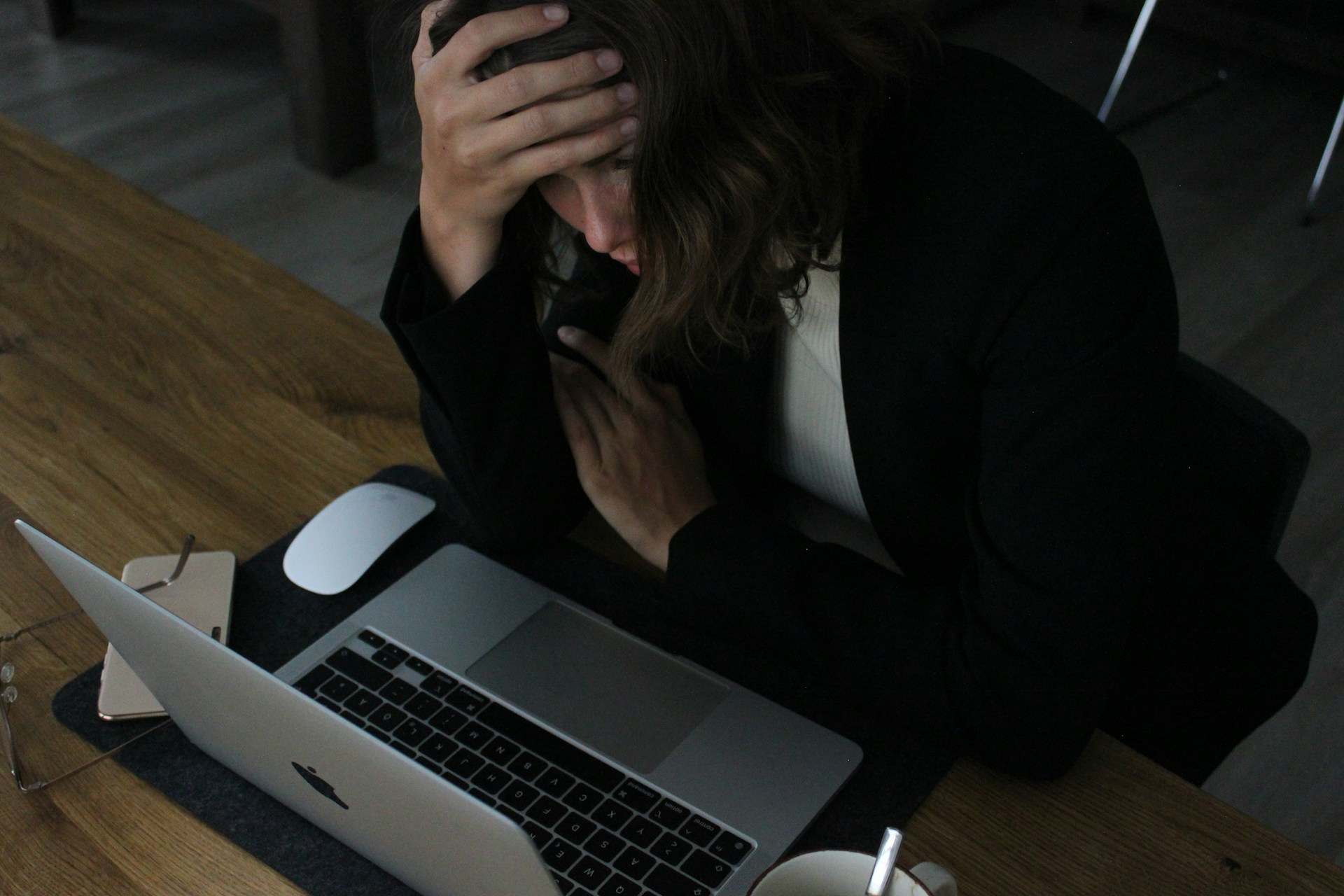
Relationships are not only affected by major life events. Sometimes, the slow build-up of daily stress is what creates the biggest emotional distance between two people.
Across Canada, more couples are struggling with communication problems, emotional exhaustion, irritability, and disconnection caused by chronic stress and burnout. Long work hours, rising living costs, parenting pressures, digital overload, and emotional fatigue are quietly changing the way people connect with their partners.
Many couples still love each other deeply. The problem is that stress changes how people communicate, respond emotionally, and show up in relationships.
Over time, couples can begin feeling more like roommates, coworkers, or strangers than partners.
Why Stress Is Impacting Canadian Relationships More Than Ever
Modern Canadian life comes with growing pressure in almost every area.
Many adults are balancing:
- Expensive housing costs
- Career uncertainty
- Long commutes
- Parenting responsibilities
- Financial stress
- Constant notifications and screen time
- Emotional fatigue after the pandemic
In cities like Toronto, Vancouver, Calgary, and Montreal, couples are often trying to manage demanding schedules while still maintaining emotional connection, intimacy, and healthy communication.
The problem is that stress rarely stays contained to work or finances. It follows people home.
When stress becomes chronic, relationships often become one of the first places where the emotional impact shows up.
What Burnout Looks Like in a Relationship
Burnout is more than simply feeling tired. It is a state of emotional, mental, and physical exhaustion caused by prolonged stress.
In relationships, burnout often changes how people respond to each other emotionally.
Common Relationship Burnout Symptoms
A stressed or burned-out partner may:
- Become emotionally distant
- Have less patience during conversations
- Avoid conflict instead of addressing problems
- Feel constantly irritable or overwhelmed
- Lose interest in intimacy
- Withdraw socially
- Struggle to communicate clearly
- Feel emotionally numb
- Overreact to small frustrations
Many couples do not realize burnout is the underlying issue. Instead, they assume the relationship itself is failing.
How Stress Changes Communication Between Couples
Stress affects the nervous system. When someone feels overwhelmed, their brain shifts into survival mode.
This often makes healthy communication more difficult.
Healthy Communication vs Stress-Based Communication
| Healthy Communication | Stress-Based Communication |
|---|---|
| Active listening | Interrupting or shutting down |
| Patience during disagreements | Short tempers and defensiveness |
| Emotional openness | Emotional withdrawal |
| Problem-solving together | Blaming or avoiding issues |
| Feeling emotionally safe | Feeling criticized or misunderstood |
When stress becomes constant, couples may stop communicating intentionally and start reacting emotionally instead.
This can create cycles of:
- Misunderstandings
- Emotional distance
- Frequent arguments
- Passive-aggressive behaviour
- Lack of emotional support
Over time, even small conversations can start feeling emotionally exhausting.
The “Roommate Effect” in Long-Term Relationships
One of the most common signs of relationship burnout is what many therapists call the “roommate effect.”
This happens when couples become so focused on responsibilities and survival that emotional connection slowly disappears.
Conversations become limited to:
- Bills
- Schedules
- Kids
- Work
- Chores
- Logistics
The relationship may still function practically, but emotionally, something feels missing.
Many Canadian couples experience this during periods of:
- Career pressure
- Parenting stress
- Financial instability
- Emotional exhaustion
- Mental health struggles
Without intentional reconnection, couples can begin feeling lonely even while living together.
How Financial Stress Is Affecting Couples Across Canada
Financial pressure has become one of the biggest relationship stressors in Canada.
Rising rent, mortgage payments, groceries, childcare costs, and economic uncertainty are increasing emotional tension for many households.
Financial stress can create:
- Frequent arguments
- Anxiety about the future
- Resentment between partners
- Different spending priorities
- Emotional withdrawal
- Increased feelings of failure or insecurity
Money problems often become emotional problems because finances affect security, identity, confidence, and future planning.
When couples stop communicating openly about stress, tension tends to build quietly in the background.
Burnout and Emotional Intimacy
Emotional intimacy requires energy, presence, and vulnerability. Burnout makes all three more difficult.
Someone who feels emotionally exhausted may struggle to:
- Express affection
- Listen attentively
- Be emotionally available
- Initiate meaningful conversations
- Maintain physical intimacy
- Support their partner consistently
This does not necessarily mean the love is gone. Often, it means the nervous system is overwhelmed.
Many couples mistakenly interpret burnout symptoms as rejection or lack of care.
In reality, stress may simply be reducing emotional capacity.
The Role of Technology and Digital Overload
Technology has made communication easier in some ways, but emotional connection harder in others.
Many couples spend evenings:
- Scrolling social media
- Answering work emails
- Watching separate content
- Multitasking constantly
- Staying mentally connected to work
Even when couples are physically together, emotional attention may be elsewhere.
This can create a subtle but growing feeling of disconnection.
Signs Technology May Be Affecting Your Relationship
- Conversations feel distracted or rushed
- Phones interrupt quality time regularly
- One or both partners seem emotionally unavailable
- Work follows you home constantly
- Social media creates comparison or insecurity
- Conflict happens more through text than in person
Digital overload also increases mental fatigue, making emotional regulation more difficult.
Why Some Couples Avoid Getting Help
Many people wait too long before addressing relationship stress.
Some couples believe:
- “Every relationship feels like this eventually.”
- “We’re just busy.”
- “Things will improve later.”
- “It’s not serious enough for therapy.”
Others fear that seeking support means the relationship is failing.
In reality, early intervention is often what helps relationships recover more effectively.
Working with a trusted registered counsellor through professional relationship counselling can help couples rebuild communication, identify unhealthy stress patterns, and reconnect emotionally before resentment becomes deeply rooted.
Therapy is not only for relationships in crisis. Many couples use counselling proactively to improve emotional connection, conflict resolution, and communication skills.
Signs Stress May Be Hurting Your Relationship
Stress and burnout do not always appear dramatically. Sometimes the warning signs are subtle at first.
Common Signs Include:
- Feeling emotionally disconnected from your partner
- More arguments over small issues
- Reduced intimacy or affection
- Feeling lonely in the relationship
- Increased irritability
- Avoiding difficult conversations
- Constant exhaustion affecting patience
- Feeling unsupported or misunderstood
- Spending less quality time together
- Emotional numbness or withdrawal
Recognizing these signs early can prevent long-term emotional damage.
How Couples Can Reduce Relationship Burnout
Relationships need intentional care, especially during stressful seasons of life.
Small consistent changes often make a bigger difference than dramatic gestures.
Helpful Strategies for Couples
Create Device-Free Time
Even 20–30 minutes of uninterrupted conversation each day can strengthen emotional connection.
Talk About Stress Directly
Many couples argue about symptoms instead of discussing the actual stress underneath them.
Focus on Emotional Support
Sometimes partners need understanding more than solutions.
Protect Time Together
Busy schedules can quietly erase connection if couples stop prioritizing quality time.
Improve Work-Life Boundaries
Constant work stress reduces emotional availability at home.
Seek Support Early
Counselling can provide practical tools for communication, emotional regulation, and conflict resolution before problems escalate.
Mental Health and Relationships Are Closely Connected
Mental health struggles rarely affect only one person. Anxiety, depression, burnout, chronic stress, and emotional exhaustion often influence the entire relationship dynamic.
When couples understand this, they stop viewing each other as the problem and start viewing stress as the shared challenge.
This shift changes conversations from:
- “You never listen.”
- “We’re both overwhelmed right now.”
That mindset creates more compassion, teamwork, and emotional safety.
Final Thoughts
Stress and burnout are affecting relationships across Canada in ways many couples do not immediately recognize.
Emotional exhaustion can reduce patience, communication, intimacy, and connection, even in healthy relationships with strong foundations.
The good news is that stress-related relationship struggles are often treatable when couples address them early.
Healthy relationships are not built by avoiding stress completely. They are built by learning how to navigate stress together with honesty, support, communication, and emotional awareness.
With the right tools and support, couples can rebuild connection, strengthen communication, and create healthier emotional balance even during difficult seasons of life.